The Preschool Portal guide
Clear answers for the early years
Practical ideas, reassuring guidance, and useful next steps for life with little ones.
Fresh from our editors
Latest parent guides
-

Everyday Signs for Toddlers: Making Room for More Ways to Communicate
Bring a few useful signs into play and everyday routines while making space for your toddler’s words, gestures, choices, and feelings.
Read the guide -

First Signs With Your Baby: A Gentle Introduction
Explore a gentle way to introduce a few everyday signs during familiar routines, without pressure or expectations about when your baby will sign back.
Read the guide -

When Behavior May Be a Developmental Clue
Repeated behavior struggles may be connected to communication, sensory, sleep, or other developmental needs. Learn what to notice, what to try, and when to request screening.
Read the guide -
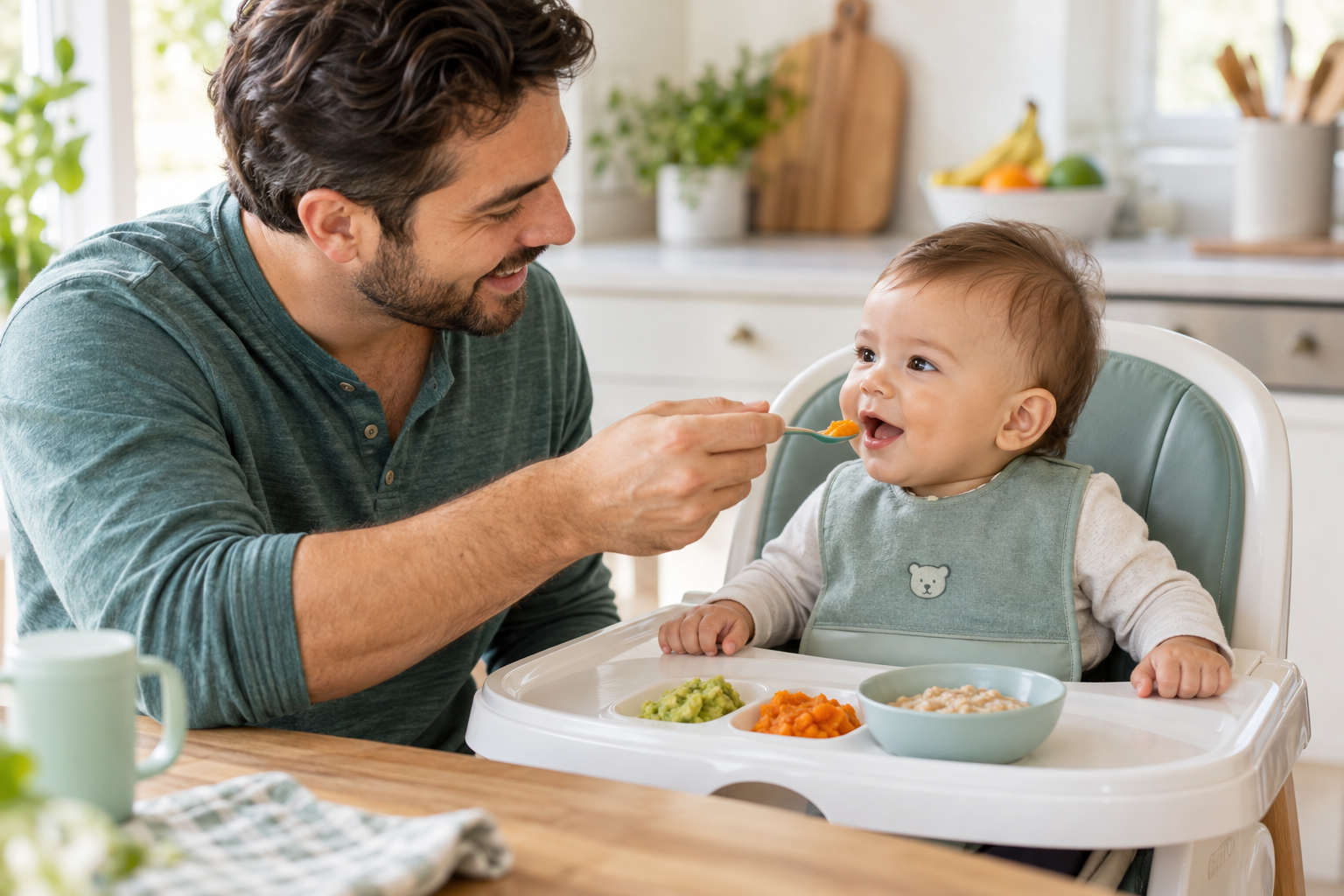
Feeding Your Baby Starting Solids Changing Textures and Easing Transitions
Learn when babies may be ready for solid foods, how textures can progress, which foods to offer, and how to make feeding transitions safer and calmer from about 6 to 24 months.
Read the guide -
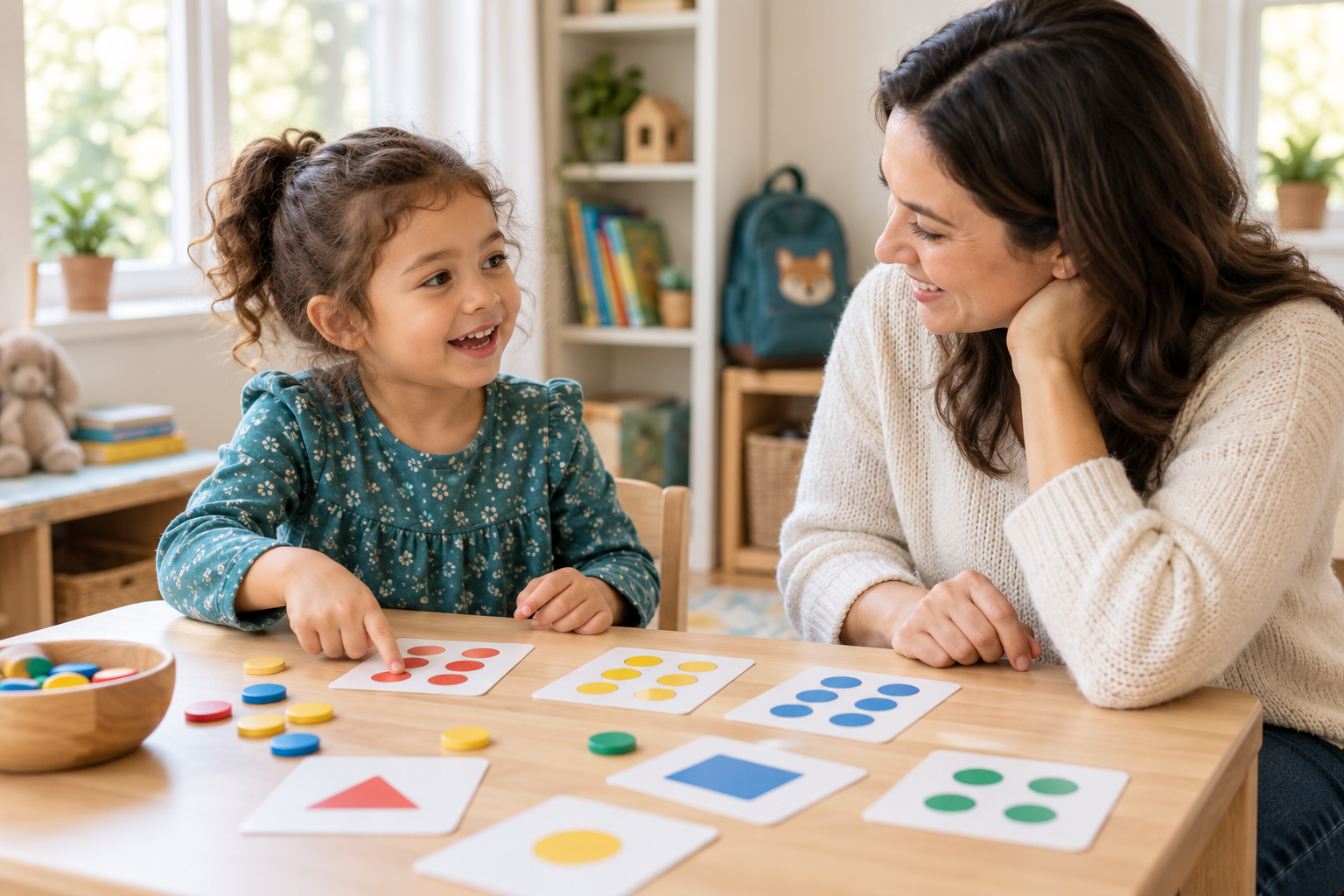
Age 5 What to Expect and How to Support Your Child
Five-year-olds are building longer conversations, stronger friendships, early literacy and number skills, and greater independence. Learn practical ways to support development, big feelings, movement, routines, and kindergarten confidence.
Read the guide -
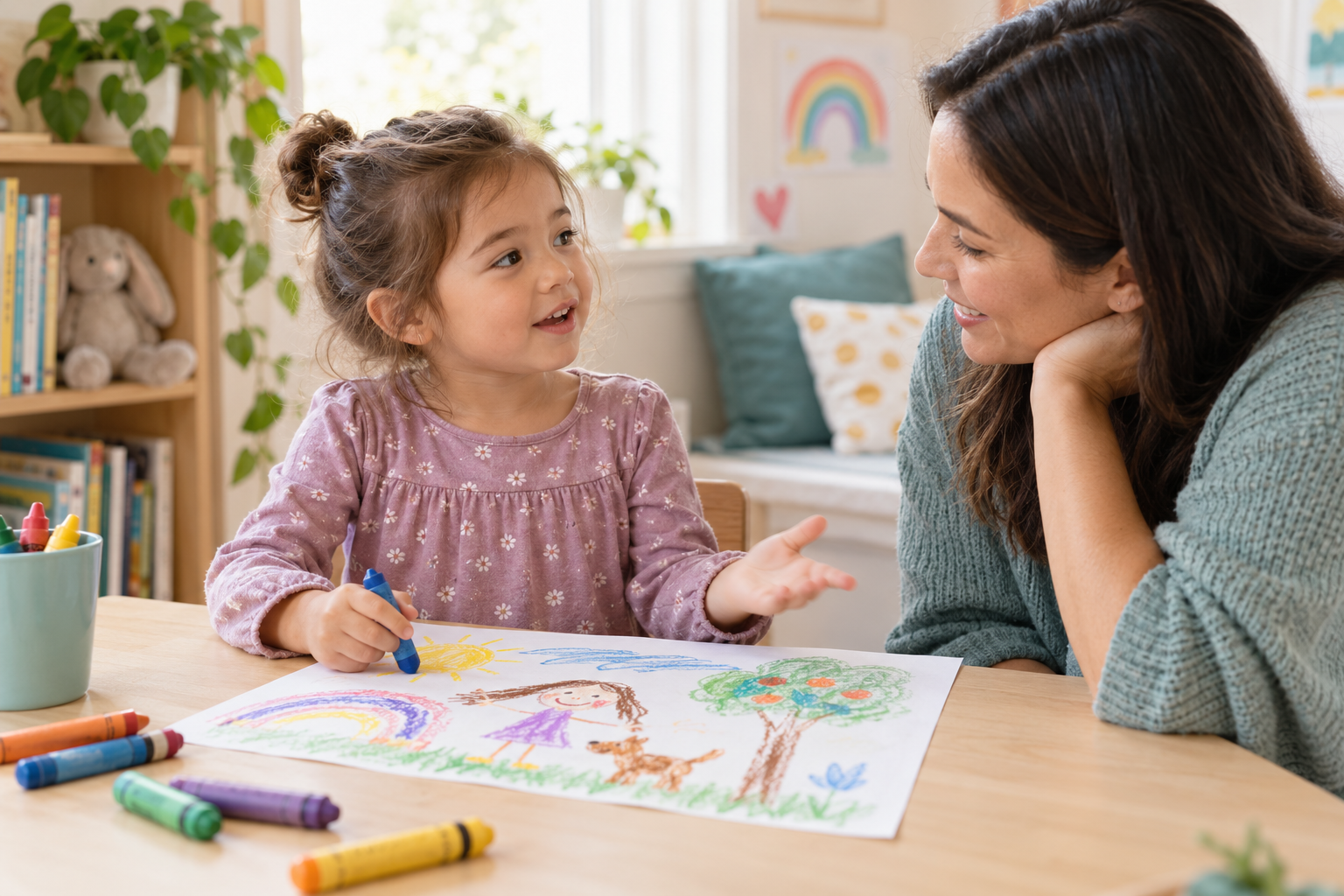
Age 4 What to Expect and How to Support Your Child
Four-year-olds are becoming more conversational, imaginative, social, and independent. Learn what growth may look like at age four and find practical ways to support learning, friendship, movement, routines, and emotional development.
Read the guide -
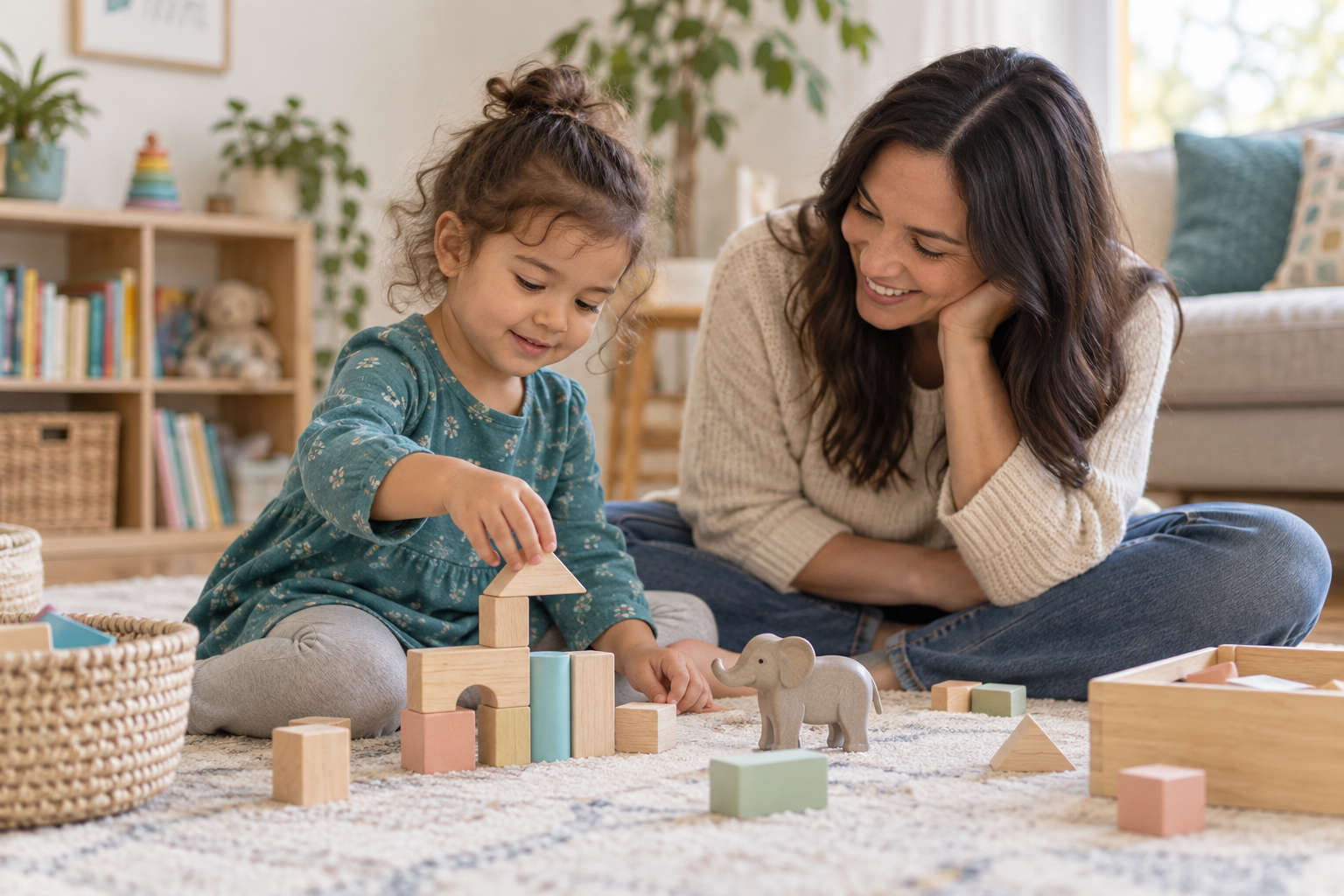
Age 3 What to Expect and How to Support Your Child
Three-year-olds are becoming more conversational, imaginative, social, and independent. Learn what growth may look like at age three and find practical ways to support play, movement, routines, and emotional development.
Read the guide -
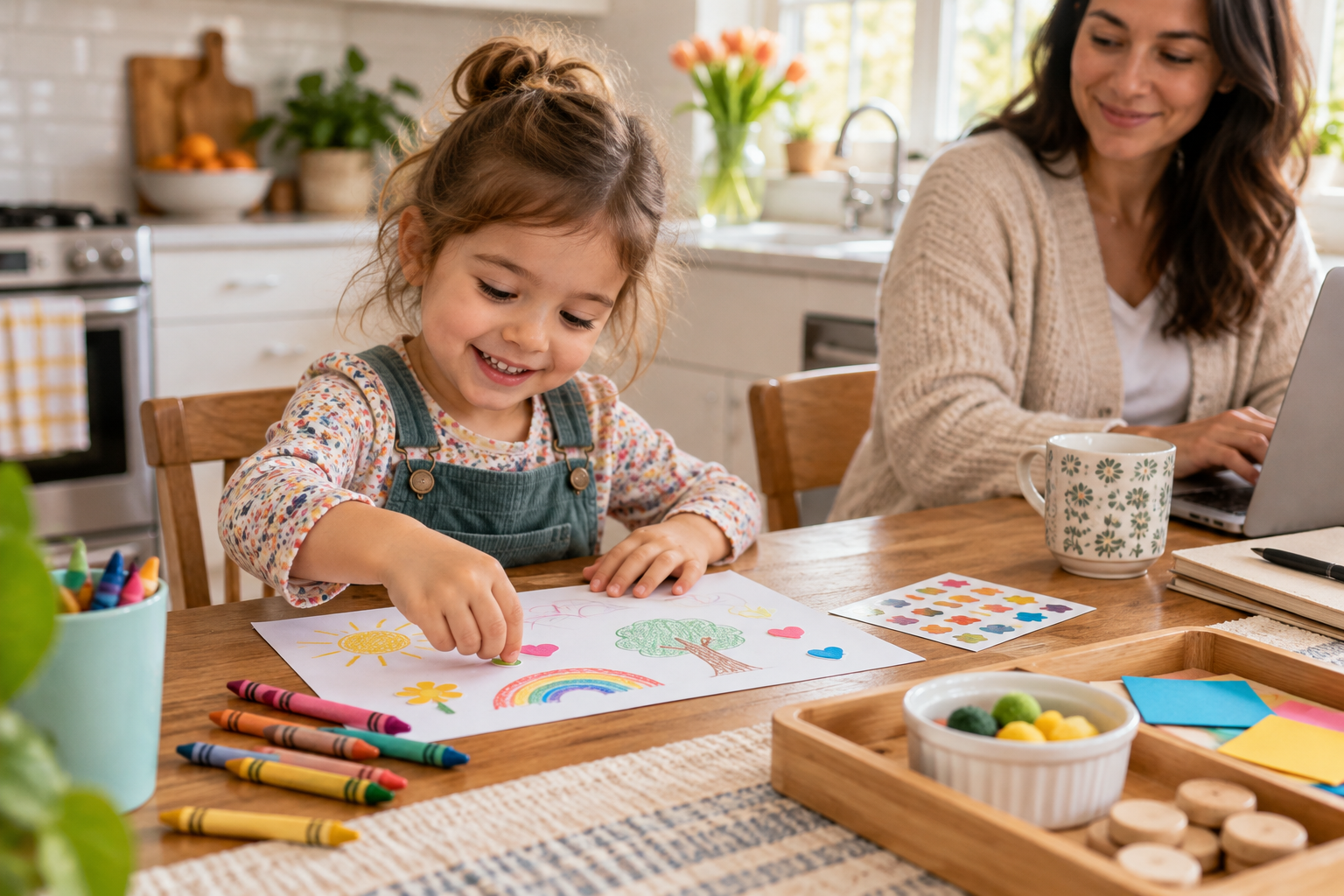
Age 2: What to Expect and How to Support Your Child
Two-year-olds are learning quickly while still needing plenty of support. Learn what growth may look like at age two and find simple ways to encourage communication, movement, play, routines, and emotional development.
Read the guide