The Preschool Portal guide
Clear answers for the early years
Practical ideas, reassuring guidance, and useful next steps for life with little ones.
Fresh from our editors
Latest parent guides
-

6 Simple ASL Practice Activities for Toddlers and Preschoolers
You can explore a few ASL signs without turning playtime into a lesson. These activities use familiar materials and leave room for pointing, speaking, signing, or simply watching. Before beginning, learn your chosen signs from a reliable demonstration or an ASL instructor. Handshape, movement, location, palm direction, and facial expression can all affect meaning. These games practice vocabulary; they do not teach the whole language or replace a child’s communication support. The age ranges...
Read the guide -

Learning ASL With Preschoolers: Play, Stories, and Connection
Explore ways to introduce preschoolers to ASL through shared stories, favorite interests, and respectful learning from Deaf educators.
Read the guide -

Everyday Signs for Toddlers: Making Room for More Ways to Communicate
Bring a few useful signs into play and everyday routines while making space for your toddler’s words, gestures, choices, and feelings.
Read the guide -

First Signs With Your Baby: A Gentle Introduction
Explore a gentle way to introduce a few everyday signs during familiar routines, without pressure or expectations about when your baby will sign back.
Read the guide -
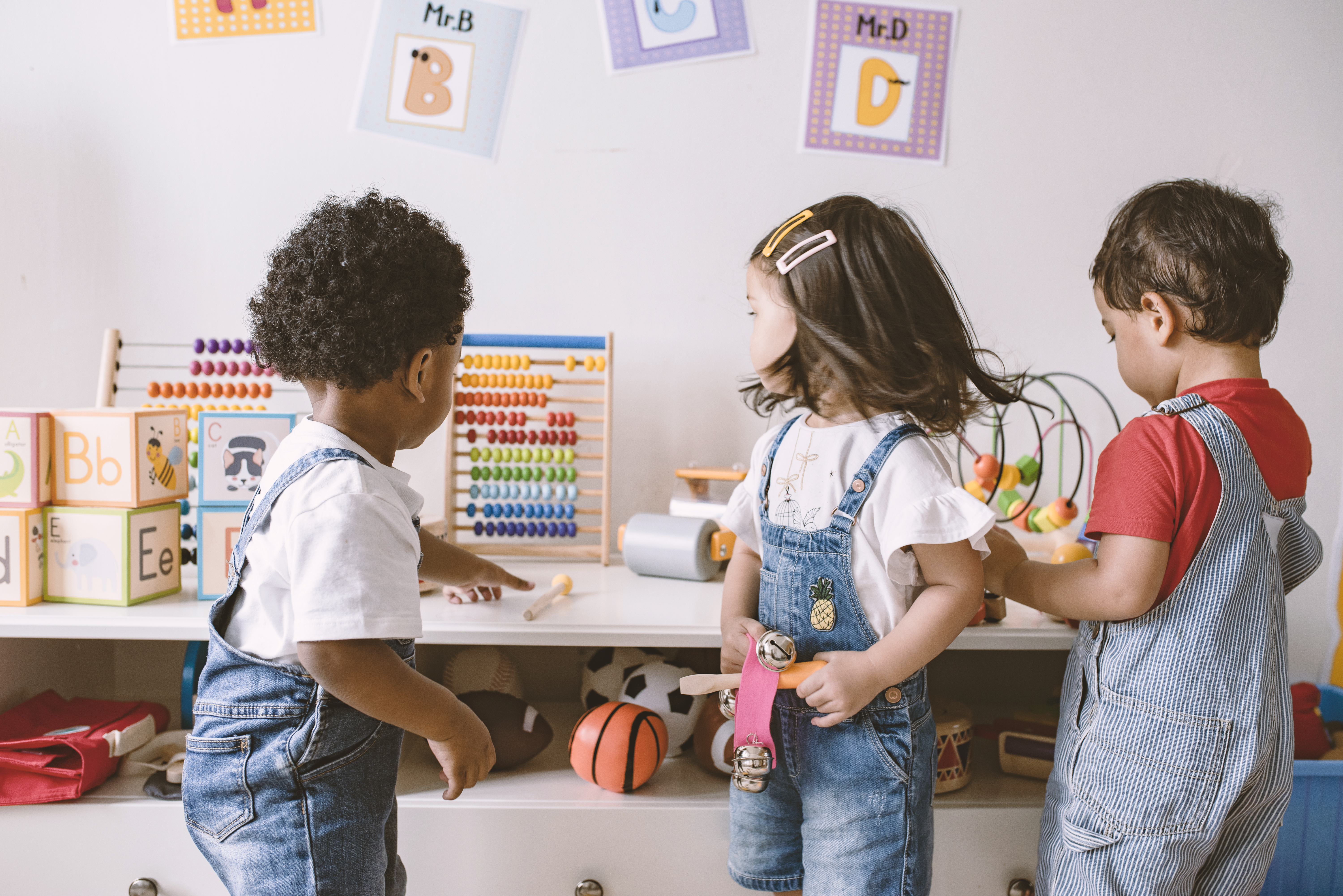
Learning to Play Together: Friendship Skills for Ages 2–5
Playing beside another child, waiting for a turn, and joining a game all take practice. Explore gentle ways to support early friendship skills.
Read the guide -

“I Can Do It!” Helping Toddlers and Preschoolers Build Independence
Small everyday tasks give children opportunities to practice independence. Learn how to offer choices, provide helpful support, and keep expectations realistic.
Read the guide -

How Pretend Play Helps Toddlers and Preschoolers Grow
A teddy bear tea party can be more than fun. Discover how pretend play supports learning and simple ways to encourage it without expensive toys.
Read the guide -
ADHD and Autism in Young Children: Differences and How to Help
ADHD and autism can share some behaviors, and a child can have both. Learn the key differences, what to observe, and when to ask for support.
Read the guide -

6 Playful Early Learning Ideas for Toddlers and Preschoolers
Six playful ways to explore shapes, counting, stories, sounds, sorting, and problem-solving with toddlers and preschoolers.
Read the guide -

6 Easy Art & Creativity Ideas for Toddlers and Preschoolers
Six easy art ideas for toddlers and preschoolers using paper, paint, cardboard, and everyday materials. Let your child explore and create in their own way.
Read the guide -

6 Outdoor Play Ideas for Toddlers and Preschoolers
Six easy outdoor play ideas for toddlers and preschoolers, including nature walks, movement games, chalk, and caring for plants.
Read the guide -

Easy Fine Motor Activities for Toddlers and Preschoolers
Six easy fine motor activities for toddlers and preschoolers, from dough and drawing to blocks, books, sorting, and collage.
Read the guide -
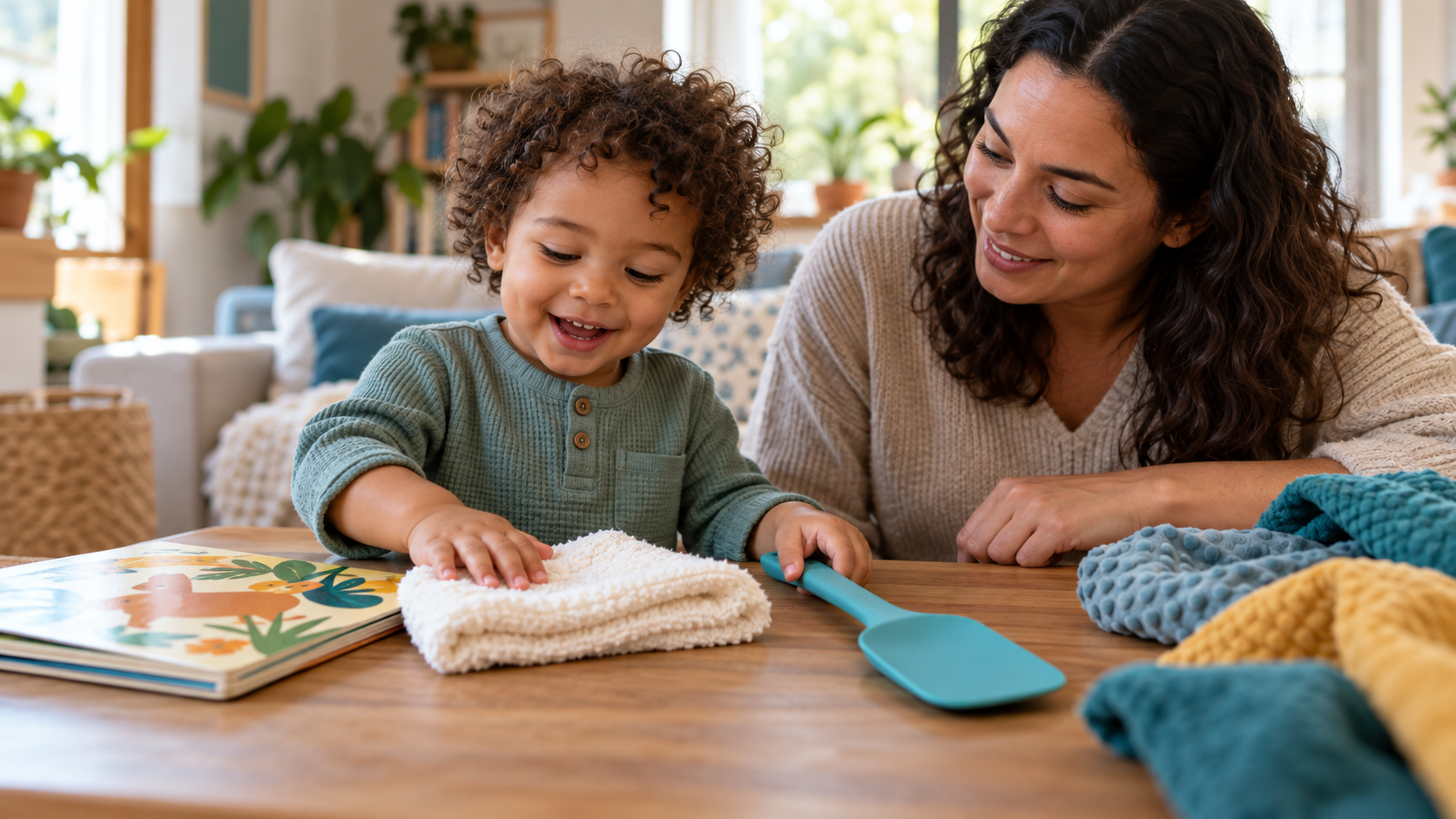
Simple Sensory Play Ideas for Toddlers and Preschoolers
Explore six simple sensory play ideas for toddlers and preschoolers using household items, water painting, sounds, fabrics, nature, and movement.
Read the guide -

7 Five-Minute Activities for Toddlers and Preschoolers
Seven simple, five-minute play ideas for toddlers and preschoolers using everyday items. Try color hunts, sock toss, storytelling, movement, and more.
Read the guide -

Could It Be ADHD? Understanding Attention and Activity in Preschoolers
Preschoolers are often active and distractible. Learn when attention or impulsivity concerns deserve an evaluation, what else may be involved, and which supports help young children.
Read the guide -

When Behavior May Be a Developmental Clue
Repeated behavior struggles may be connected to communication, sensory, sleep, or other developmental needs. Learn what to notice, what to try, and when to request screening.
Read the guide -

Tantrums, Hitting, and Refusing to Listen: What Parents Can Do
A practical plan for tantrums, hitting, and everyday power struggles: keep everyone safe, use short clear limits, teach a replacement skill, and look for patterns.
Read the guide -

Why Is My Young Child Acting Out? Understanding the Need Behind the Behavior
When a young child acts out, the behavior may point to stress, an unmet need, or a skill still developing. Learn what to notice and how to respond with calm, clear limits.
Read the guide -

Concerned About Your Child’s Development? What to Do Next
Concerned about your child’s development? Learn how to prepare for a pediatric visit, request an evaluation, and find support for children under and over age 3.
Read the guide -

How to Use Developmental Milestone Checklists
Learn how to use free developmental milestone checklists from ages 2 months to 5 years, prepare for pediatric visits, and act on concerns.
Read the guide -

Social and Emotional Development from Ages 2 to 5
Explore social and emotional development from ages 2 to 5, friendship and feelings milestones, everyday ways to build skills, and when to ask for support.
Read the guide -

Social and Emotional Development in Toddlers: 12 to 24 Months
Explore social and emotional development from 12 to 24 months, toddler milestones, everyday ways to nurture connection, and when to ask for support.
Read the guide -

Social and Emotional Development in Infants: Birth to 12 Months
Explore social and emotional development from birth to 12 months, early connection milestones, everyday ways to bond, and when to ask for support.
Read the guide -

Thinking and Learning from Ages 2 to 5
Explore thinking and learning from ages 2 to 5, with age-based guideposts, playful ways to build skills, and when to ask for support.
Read the guide -

Thinking and Learning in Toddlers: 12 to 24 Months
Explore how toddlers think and learn from 12 to 24 months, with early milestones, playful ideas, and when to ask for support.
Read the guide -
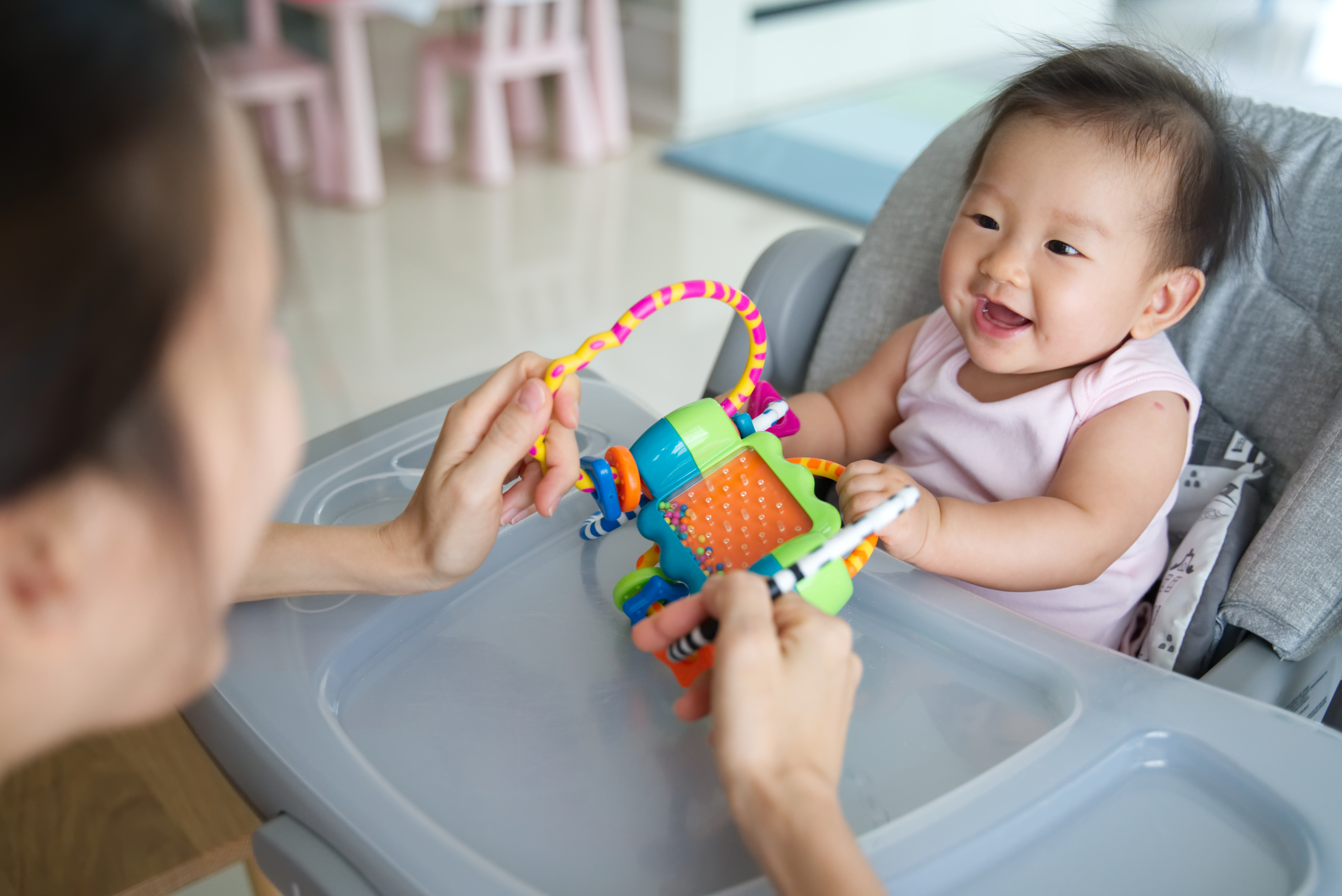
Thinking and Learning in Infants: Birth to 12 Months
Explore how babies think and learn from birth to 12 months, with early milestones, simple play ideas, and when to ask for support.
Read the guide -

Speech and Language Development in Toddlers: 12 to 24 Months
Explore speech and language development from 12 to 24 months, toddler communication milestones, everyday ways to connect, and when to ask for support.
Read the guide -

Speech and Language Development in Infants: Birth to 12 Months
Explore speech and language development from birth to 12 months, early communication milestones, everyday ways to connect, and when to ask for support
Read the guide -

Physical Development in Toddlers: 12 to 24 Months
Explore physical development from 12 to 24 months, toddler movement milestones, playful ways to build skills, and when to ask for support.
Read the guide -

Physical Development in Infants: Birth to 12 Months
Explore physical development from birth to 12 months, early movement milestones, safe play ideas, and when to ask for support.
Read the guide -

Physical Development from Ages 2 to 5
Explore physical development from ages 2 to 5, everyday ways to build movement and hand skills, and when to ask for support.
Read the guide -

Speech and Language Development from Ages 2 to 5
Explore speech and language development from ages 2 to 5, simple ways to encourage communication, and when to ask for support.
Read the guide -

Early Signs of Autism in Toddlers and Preschoolers
Learn about possible early signs of autism in toddlers and preschoolers, how signs may appear at different ages, and when to request developmental screening or support.
Read the guide -

Healthier Foods for Young Children Making Safe Practical Choices
Learn how to choose healthier foods for babies, toddlers, and preschoolers, understand dye-free and natural labels, read packages, and serve age-appropriate foods safely.
Read the guide -

Feeding Your Baby Starting Solids Changing Textures and Easing Transitions
Learn when babies may be ready for solid foods, how textures can progress, which foods to offer, and how to make feeding transitions safer and calmer from about 6 to 24 months.
Read the guide -
Age 5 What to Expect and How to Support Your Child
Five-year-olds are building longer conversations, stronger friendships, early literacy and number skills, and greater independence. Learn practical ways to support development, big feelings, movement, routines, and kindergarten confidence.
Read the guide -
Age 4 What to Expect and How to Support Your Child
Four-year-olds are becoming more conversational, imaginative, social, and independent. Learn what growth may look like at age four and find practical ways to support learning, friendship, movement, routines, and emotional development.
Read the guide -

Age 3 What to Expect and How to Support Your Child
Three-year-olds are becoming more conversational, imaginative, social, and independent. Learn what growth may look like at age three and find practical ways to support play, movement, routines, and emotional development.
Read the guide -

Age 2: What to Expect and How to Support Your Child
Two-year-olds are learning quickly while still needing plenty of support. Learn what growth may look like at age two and find simple ways to encourage communication, movement, play, routines, and emotional development.
Read the guide -

Baby Milestones: A Calm, Practical Guide to the First Year
A reassuring, age-by-age guide to common milestones during your baby’s first year, with simple ways to support development and clear guidance on when to contact your child’s healthcare provider.
Read the guide -

Learning Through Play: Simple Ways to Build Everyday Skills
Discover how babies, toddlers, and preschoolers build language, movement, problem-solving, confidence, and emotional skills through simple everyday play—without expensive toys or elaborate activities.
Read the guide -
Preschool Activities for Busy Days: Six Low-Prep Ideas
Six easy, low-prep preschool activities that build language, movement, creativity, problem-solving, and confidence using simple materials you may already have.
Read the guide -

Toddler Behavior: What Big Feelings Are Trying to Tell You
Learn what toddler tantrums and challenging behavior may be communicating, how to respond calmly, and when big feelings may require additional support.
Read the guide -

Choosing Childcare: Questions That Reveal the Quality of Care
Learn which questions to ask, what to observe, and which warning signs to notice when choosing safe, responsive, high-quality childcare.
Read the guide -

Kindergarten Readiness Is More Than Knowing Letters and Numbers
Kindergarten readiness is about more than letters and numbers. Discover the social, emotional, language, physical, and independence skills that help children begin school confidently.
Read the guide